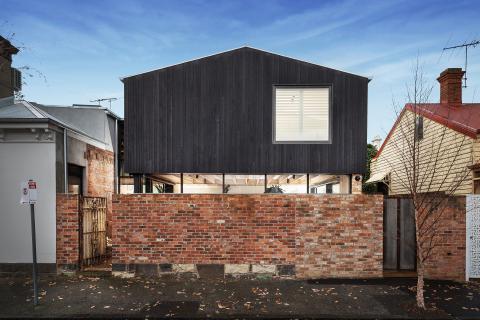
Why Architectural Homes Need a Different Tender Approach
Architectural homes are rarely simple. Even when they appear resolved on paper, they often involve tight tolerances, layered detailing, long lead-time procurement, careful sequencing and a high level of coordination between structure, services, finishes and specialist trades. In that environment, cost control cannot be separated from design and delivery. It needs to be built into the process from the beginning.
Early Builder Involvement Improves Cost Control
A negotiated tender helps control costs because it creates a structured pathway for the budget to evolve alongside the design. Rather than waiting until the drawings are complete and testing the project against the market in one moment, the builder is involved early enough to review documentation, identify ambiguities, highlight procurement risks and test the buildability of key design decisions before they become expensive to change.
Scope Clarity Creates Budget Clarity
Architectural projects often lose budget control when too many decisions remain unresolved until late documentation or construction. Missing scope, unclear interfaces, incomplete selections, difficult site access, structural sequencing issues and long lead items can all distort pricing if they are not addressed early. A negotiated tender creates room to resolve these matters methodically rather than reactively.
Value Management Without Design Dilution
A good negotiated tender is not about stripping quality out of the project. It is about identifying the real cost drivers early, testing alternative methods or specifications carefully, and presenting trade-offs clearly across cost, programme, performance and long-term maintenance. Done properly, this protects the architectural idea rather than slowly eroding it.
Procurement Planning Reduces Cost Pressure
Many architectural homes depend on specialist trades and long lead items that materially affect both price and programme. Natural stone, custom glazing, steelwork, joinery materials, imported fixtures, architectural lighting and façade elements all require early planning. A negotiated tender allows these items to be mapped against the build programme and tested before they become time or cost pressure points.
Negotiated Tender vs Competitive Tender
Competitive tenders can appear attractive because they suggest market tension and fixed-price certainty. But on complex homes, they often occur too late in the design process to influence the decisions that drive cost. The project may then return over budget, forcing redesign, delay or compromise. A negotiated tender shifts that conversation earlier, when the team can still respond constructively.
Better Alignment Between Builder, Architect and Client
For architects, negotiated tendering supports better outcomes because it allows construction input without surrendering design leadership. The builder can assist with buildability, interface control, sequencing and procurement strategy while the architect continues to lead the design. For clients, this means greater budget clarity, reduced pricing surprise and stronger alignment between vision and delivery.
Transparency, Variations and Commercial Control
Cost control is strongest when assumptions are documented, changes are visible and scope boundaries are properly understood. Under a negotiated pathway, inclusions, exclusions, procurement assumptions and programme implications can all be reviewed before the construction contract is signed. That creates a much stronger commercial foundation and reduces avoidable friction later.
Conclusion
For complex architectural homes, real cost control begins long before the contract is signed. It begins when the right people are involved early, the scope is interrogated properly, procurement is planned with intent and the budget is tested alongside the design. A negotiated tender creates the conditions for that alignment, which is why it remains one of the most effective procurement pathways for architecturally driven residential projects.