
The TCON client experience
A complex build feels controlled when the client and architect can see what is happening, what comes next and which decisions require attention. TCON structures communication around timing, clarity and responsibility rather than the volume of messages. Clients receive named contacts, weekly written reporting, current photographs, program and procurement information, documented commercial movements and a clear path for raising an issue. Meetings are used for discussion and decisions, with status information provided in writing. The client remains responsible for the brief, budget and owner decisions. The architect and consultants retain their professional roles. TCON coordinates the construction and keeps the information required from each party visible against the work it affects. The communication rhythm is agreed before construction and adjusted as the project changes phase. This gives each decision a clear owner, timing and connection to the work.
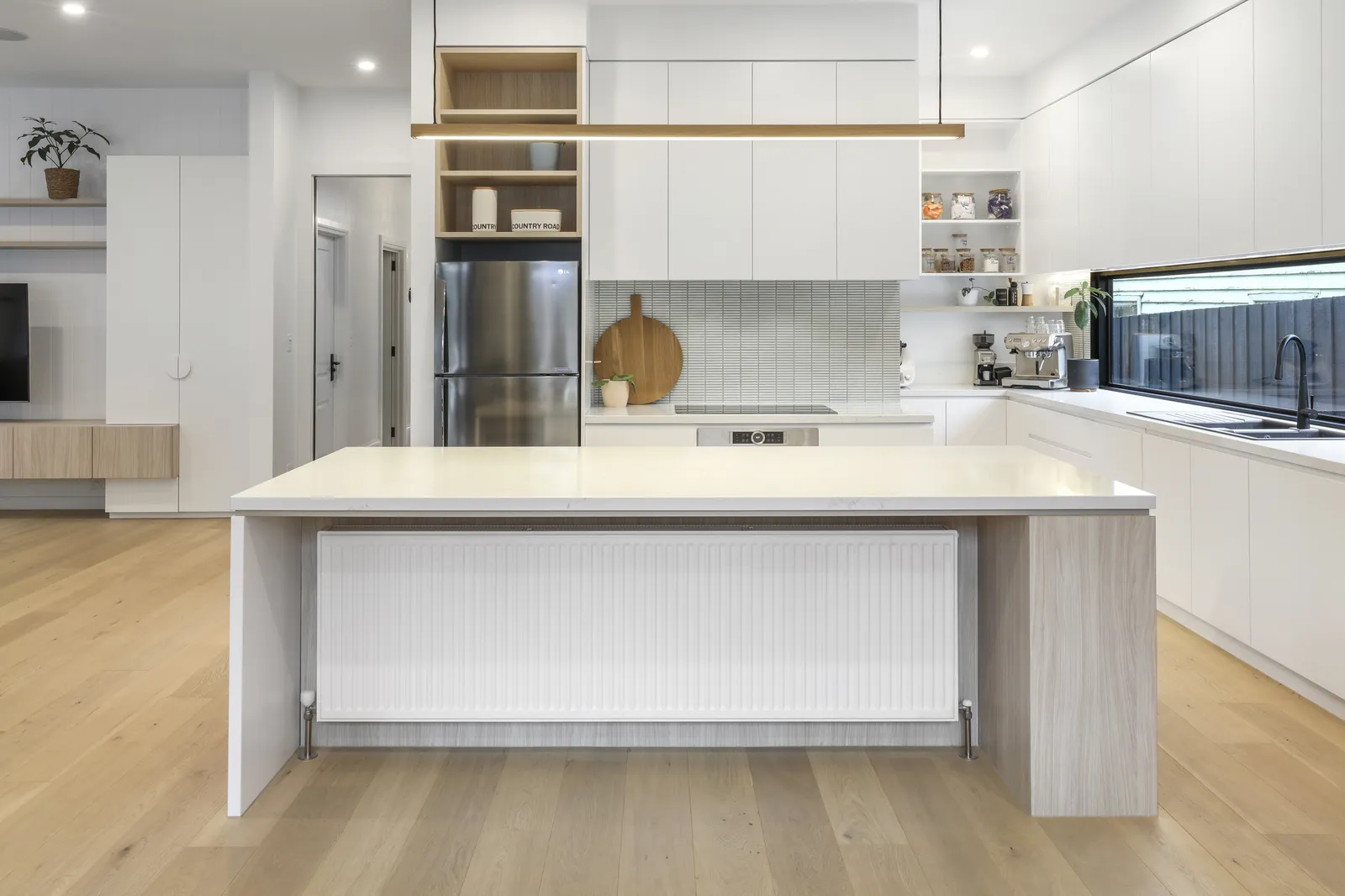
Named contacts from the beginning
Clients are introduced to the people responsible for their project before construction begins. The project manager maintains the broader client, consultant, program and commercial position. The site manager leads daily execution, trade coordination, presentation and access. The contract administrator supports procurement, documentation, claims and variations. Simon leads estimating through Pre-Construction, George Bloomfield leads operations and Tim remains involved where project fit, significant methodology, commercial judgement or the finished standard requires his attention. This structure gives a client a direct route to the person who owns the matter. It also provides escalation without asking one individual to carry every decision made across design, office and site.
The weekly written update
The weekly update brings together progress photographs, work completed, upcoming activities and decisions required from the client or design team. It is issued through Buildertrend and written so the current project position can be understood without reconstructing separate conversations. Decision dates are connected to the program or procurement activity they affect. Where an item has changed, the update explains the consequence and identifies the next action. The record also allows the client and architect to return to what was known at a particular point. A concise, current update is more useful than a high volume of informal messages that do not establish ownership or preserve the final instruction.

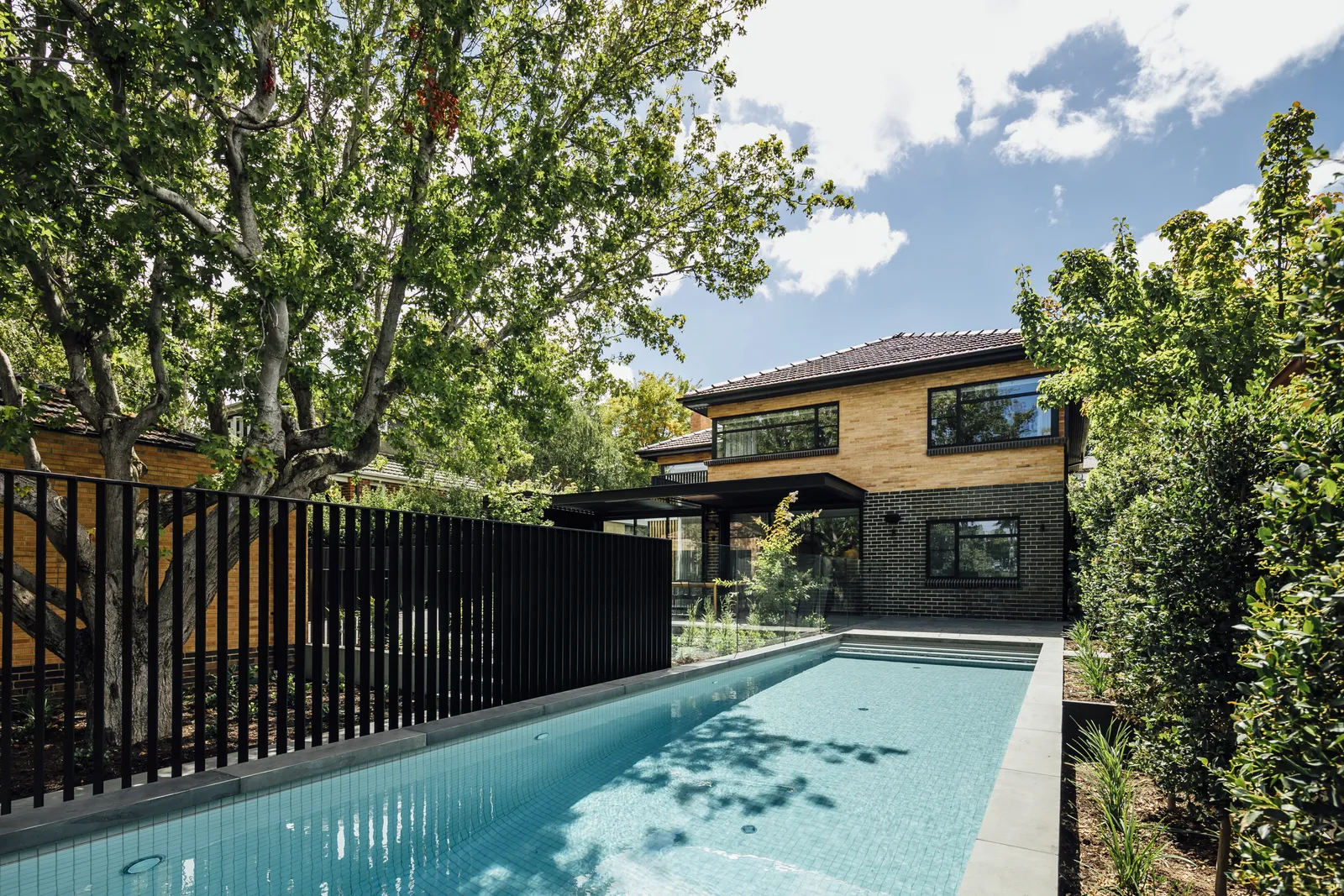
Meetings aligned with decisions
Meeting frequency changes with the project phase. Pre-Construction and procurement meetings are commonly held fortnightly, while construction meetings may be weekly or fortnightly depending on the work underway. Architect and interior designer site visits are coordinated separately around relevant milestones, details and inspection points. Status information is circulated in writing so meeting time can focus on unresolved matters and decisions that benefit from live discussion. Actions are recorded with an owner and required date. This approach respects the time of the client and consultants while keeping the project moving. Additional meetings are arranged when a significant issue cannot be resolved through the regular rhythm or written project record.
RFIs and design clarification
Design questions are managed through a structured RFI register in Asana. Each RFI receives a reference, an owner, a required response date and a documented close-out. TCON describes the construction issue, relevant site condition and effect on the work. The architect, engineer or other consultant responds within their discipline, and the client is involved where the answer affects the brief, cost or program. Outstanding items are reviewed against the activities they may constrain. This keeps technical decisions with the appropriate professional and gives the site team a consistent instruction. It also avoids later disagreement about a verbal response that moved through several people before reaching the trade completing the work.

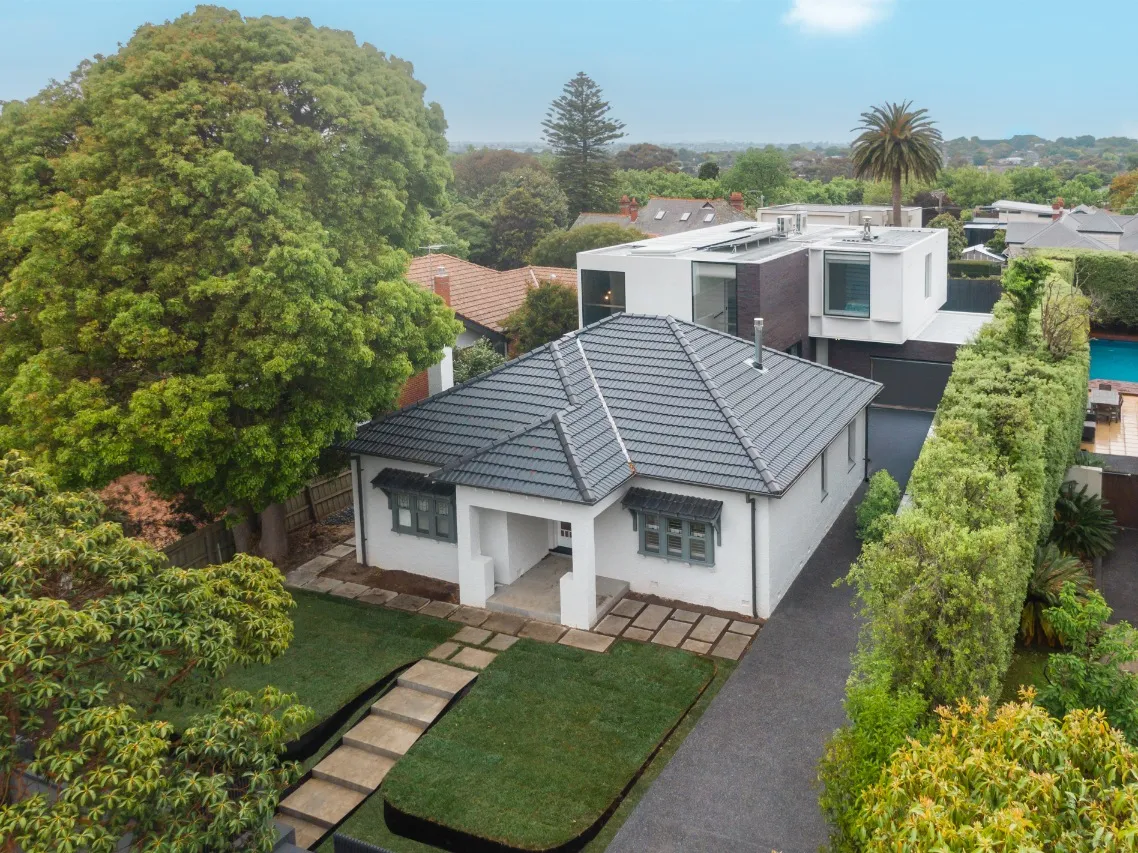
Program and procurement visibility
The master construction program is maintained in Instagantt, with relevant milestones, constraints and changes explained through project reporting. Procurement information identifies the packages requiring design release, sample review, shop drawing approval, deposit, fabrication and delivery. The client and architect can see when a decision affects more than the immediate selection. A glazing approval may influence manufacture, enclosure and internal finishing. A joinery decision may influence services, stone templating and installation. Making these relationships visible allows the team to decide with the actual sequence in mind. It also distinguishes a preferred date from a deadline that protects the intended construction program.
Commercial information and variations
TCON presents commercial information in the form required by the contract and the project reporting rhythm. Progress claims reflect the agreed structure. Allowances and actual selections are tracked as information develops. A proposed variation identifies the change in scope, price and program effect before approval. The client can then decide with the relevant consequence in view, and the site team receives an instruction that reflects the approved position. Fixed-price and cost-plus contracts require different forms of administration, but both depend on current records and clear authority. No system can prevent a client from changing the brief or an existing building from revealing an unknown condition. It can make the resulting decision traceable.
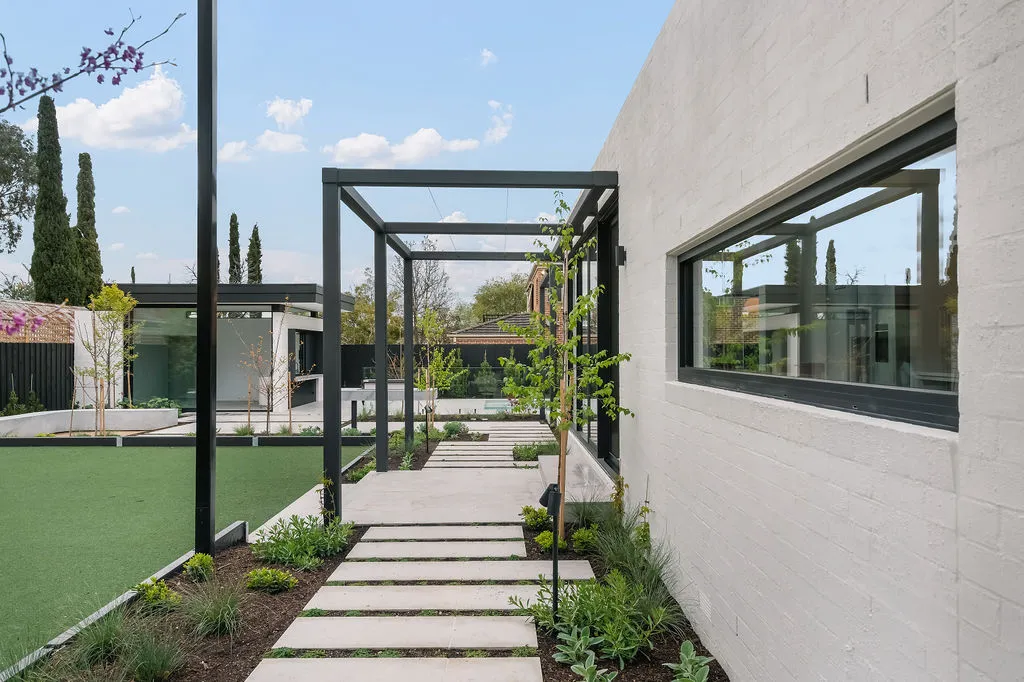
Site visits and client decisions
Clients are welcome on site through the access arrangements agreed for the project. Scheduled visits are coordinated around safety, active trades and the work most useful to review. Unplanned attendance can interrupt a critical activity or place the client in an uncontrolled work area, so additional visits are arranged through the project manager or site manager. Client decisions are identified in advance where possible, with the drawings, samples, cost and timing information needed to make them. The aim is not to keep the client away from the build. It is to make site time useful and safe, and to keep decisions connected to the conditions in which the work will be installed.
When an issue needs escalation
Construction can produce difficult decisions even on a well-prepared project. TCON's structure provides a clear escalation path. A daily site matter begins with the site manager. A broader program, consultant or commercial issue moves through the project manager and contract administrator. George Bloomfield becomes involved where operational coordination is required. Tim is involved where the issue concerns significant methodology, commercial judgement, design intent or the final standard. The client and architect are not asked to work out the internal route. The team identifies who needs to act and keeps responsibility with that person until the matter is closed. Early, direct escalation protects the working relationship by addressing the actual issue before positions harden around it.
Building with TCON
Considered architecture demands considered building. Building with TCON is a complete account of how TCON works. Available on request and reviewed personally by Tim before release.
Request a copy of Building with TCON.
Related. Our process, Quality assurance, Handover, Our systems.