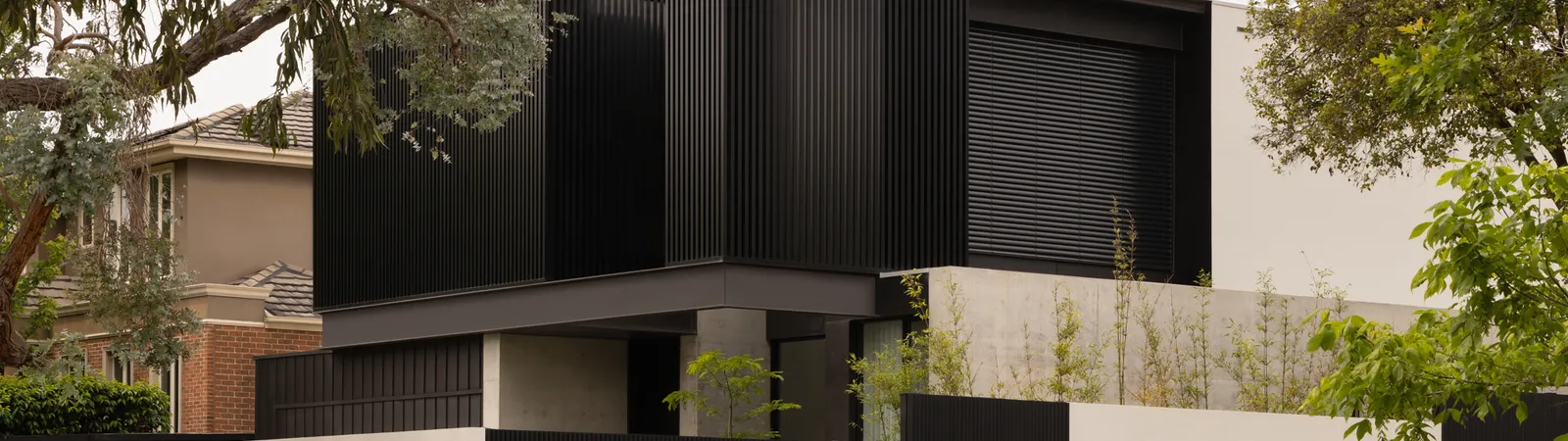
What to expect during the handover of a new home
Handover is not one meeting. It is a controlled transition from an active building site to a home the client can occupy and operate.
That transition involves the building contract, the required Occupancy Permit or Certificate of Final Inspection, outstanding items, possession, manuals, warranties, training and the start of the defects and aftercare period.
The exact sequence depends on the contract and building permit. The builder, architect or contract administrator and client should agree the process before the final weeks of construction.
Handover starts before completion
A disciplined handover process begins while trades are still finishing.
The project team should be:
- Completing internal quality inspections
- Testing appliances and services
- Commissioning mechanical and control systems
- Gathering certificates and manuals
- Updating as-built information
- Closing defects and incomplete work
- Cleaning and protecting finished surfaces
- Confirming the surveyor's final requirements
Waiting until the key-transfer meeting to assemble this information creates unnecessary gaps.
Completion under the contract
The contract defines when the work is considered complete and who assesses or certifies it.
Depending on the contract, the process may involve the builder giving notice, the architect or contract administrator inspecting the work and the parties recording incomplete or defective items.
Minor items may remain without preventing completion, but that depends on the contract and the seriousness of the item. Major defects, incomplete contracted work or missing approvals should not be treated as minor merely to meet a date.
Clients should obtain legal or contract-administration advice if the completion position is disputed.
Occupancy Permit or Certificate of Final Inspection
The building permit identifies the completion document required from the relevant building surveyor.
In general:
- A new home requires an Occupancy Permit before it is occupied.
- Alterations and extensions to an existing home ordinarily receive a Certificate of Final Inspection.
These documents confirm the building surveyor's role under the building framework. They are not a guarantee that every contractual item is complete or free from defects.
The pre-handover inspection
Before possession, the client and the relevant project representatives should inspect the home systematically.
The inspection should cover:
- Incomplete work
- Damage to finishes
- Door, window and hardware operation
- Joinery alignment and operation
- Plumbing fixtures and drainage
- Lighting, power and controls
- Heating, cooling and ventilation
- Appliances
- Security and access systems
- Pool and landscape interfaces
- Cleaning and protection
Record each item clearly with a location, description, photograph, responsible party and target date.
The purpose is not to create an adversarial list. It is to create one agreed record that can be closed efficiently.
Possession and key transfer
The point at which the client takes possession depends on the contract and completion process.
Before possession, confirm:
- The required completion approval has been issued.
- Insurance responsibility is understood.
- Keys, remotes, codes and access credentials are ready.
- The completion and outstanding-items position is recorded.
- Final payment or security arrangements follow the contract.
- Utilities and essential systems are operating.
Do not assume that the architect's certificate, surveyor's approval, final payment and key transfer are legally or contractually the same event.
The handover pack
A useful handover pack should help the client operate and maintain the home.
For a complex architectural project, it may include:
- Occupancy Permit or Certificate of Final Inspection
- Relevant trade and consultant certificates
- Appliance and equipment manuals
- Warranty information
- Supplier and service contacts
- Paint, finish and product schedules
- Maintenance requirements
- As-built or record drawings where provided
- Commissioning information
- Photographic records of concealed services where available
- Keys, remotes, codes and credential-change instructions
The information should be organised and searchable, not delivered as an unsorted box of documents.
Training and commissioning
Modern homes can contain complex systems. The client needs practical instruction, not only manuals.
Arrange demonstrations for:
- Heating and cooling
- Home automation
- Security and access
- Solar and battery systems
- Pool and spa equipment
- Irrigation
- Operable shading
- Specialist appliances
- Pumps, alarms or drainage systems requiring attention
Record who provided the training and where the final manuals are stored.
Defects period and statutory rights
The contractual defects period is the period stated in the building contract. TCON provides a minimum 12-month defects period, subject to the final contract.
This period is not the same as the client's statutory rights. Implied warranties and other legal rights can continue independently of the contractual defects period.
Defects also need to be distinguished from:
- Normal wear and damage
- Maintenance
- Product warranty matters
- Client changes
- Seasonal movement that requires observation
The builder should investigate reported items and explain the proposed response.
TCON's post-handover approach
TCON schedules a 30-day post-handover review. This catches items that only become visible once the client has used the home and operated its systems.
TCON also maintains the contractual defects process, provides the handover information and assists the client in reaching the relevant supplier or trade where a product or maintenance issue arises.
Do not publish fixed six, 12 and 24-month service promises or “support for life” unless those commitments have been formally adopted, resourced and included in TCON's standard process.
Insurance changes from 1 July 2026
Victorian home warranty arrangements changed for eligible domestic building contracts signed from 1 July 2026. Consumer Affairs Victoria states that the new Home Warranty insurance provides broader protection for eligible contracts over the applicable threshold.
The scheme, thresholds and transitional arrangements should be checked against current official guidance for the particular contract date. The project team should not rely on an older handover article for insurance advice.
What the client should do
In the first weeks:
- Read the handover index and store it securely.
- Change security and access credentials where appropriate.
- Complete all system demonstrations.
- Report problems in writing with photographs.
- Follow maintenance and servicing requirements.
- Keep records of communications, certificates and warranty claims.
- Activate home and contents insurance at the required time.
Talk to TCON
Clients considering TCON can request the current handover and aftercare outline. It shows how completion, documentation, training, the 30-day review and the minimum 12-month defects period are administered.
Important note
This article provides general information. The contract, building permit, insurance policy and current Victorian law determine the requirements for a particular project.
Building with TCON
Considered architecture demands considered building. Building with TCON is a complete account of how TCON works. Available on request and reviewed personally by Tim before release.
Request a copy of Building with TCON.