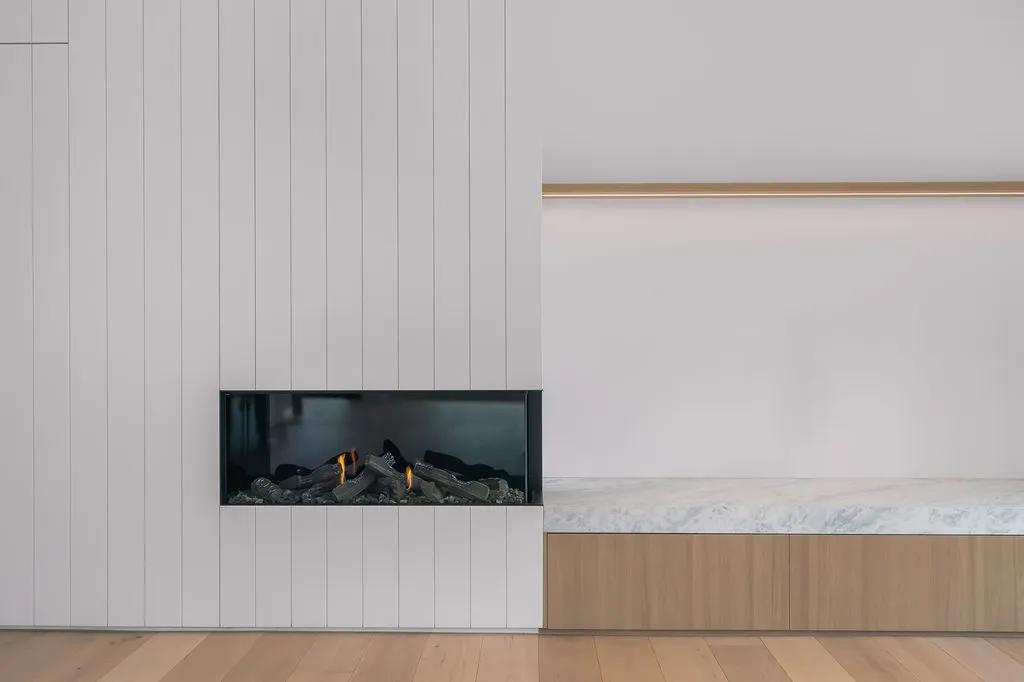
What building with TCON involves
Building with TCON is a continuous relationship from the first project conversation through Pre-Construction, tender, construction, handover and Build Care. The work is carried by named people rather than handed between disconnected departments. Estimating information develops into the tender. Tender assumptions move into mobilisation. The delivery team works from the current design, commercial and procurement position. Quality records and product information contribute to handover. Support after completion begins with the same project knowledge. The exact methodology and contract model respond to the home, but the expectation remains consistent: clear responsibility, current information, practical construction judgement and direct communication with the client and design team. The client remains central to decisions about the brief, investment and way the finished home will be used. TCON remains accountable for turning the agreed construction position into the completed work.
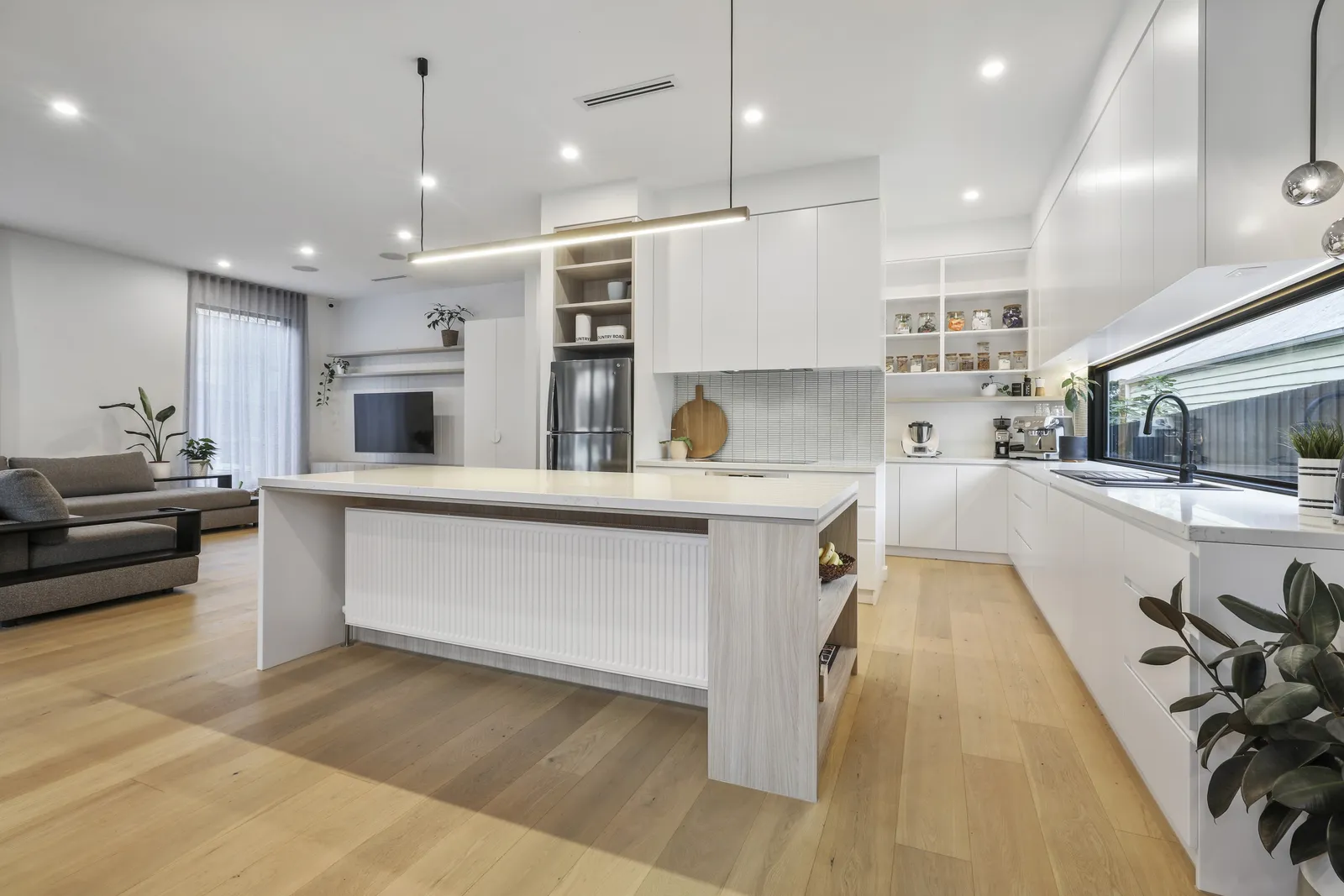
1. Pre-Construction
Most projects begin during concept or schematic design through the TCON Pre-Construction Program. TCON prepares feasibility pricing against the actual design, identifies inclusions, exclusions, assumptions and allowances, and refines the cost as documentation develops. Buildability review considers site access, sequence, existing conditions, structure, services, material junctions and below-ground methodology. Procurement planning identifies long-lead packages and the information needed to release them. Program advice connects design decisions to the intended construction path. Simon leads the day-to-day estimating work, with Tim involved in project fit, significant methodology and commercial judgement. The architect retains design leadership and consultants remain responsible for their disciplines.
2. Tender and contract
Negotiated tender is the usual transition because it carries forward the pricing, trade input, methodology and procurement work developed during Pre-Construction. Final trade packages are tested against the current documents. The proposed price or budget is presented with the scope, assumptions, exclusions and allowances that support it. The client and architect can question the basis and resolve outstanding information before execution. Fixed-price and cost-plus contracts are both available, with the model selected according to documentation, existing conditions, risk and flexibility required. Competitive tender remains possible where the client requires it. The signed contract then establishes how price, claims, variations and responsibility are administered during delivery.
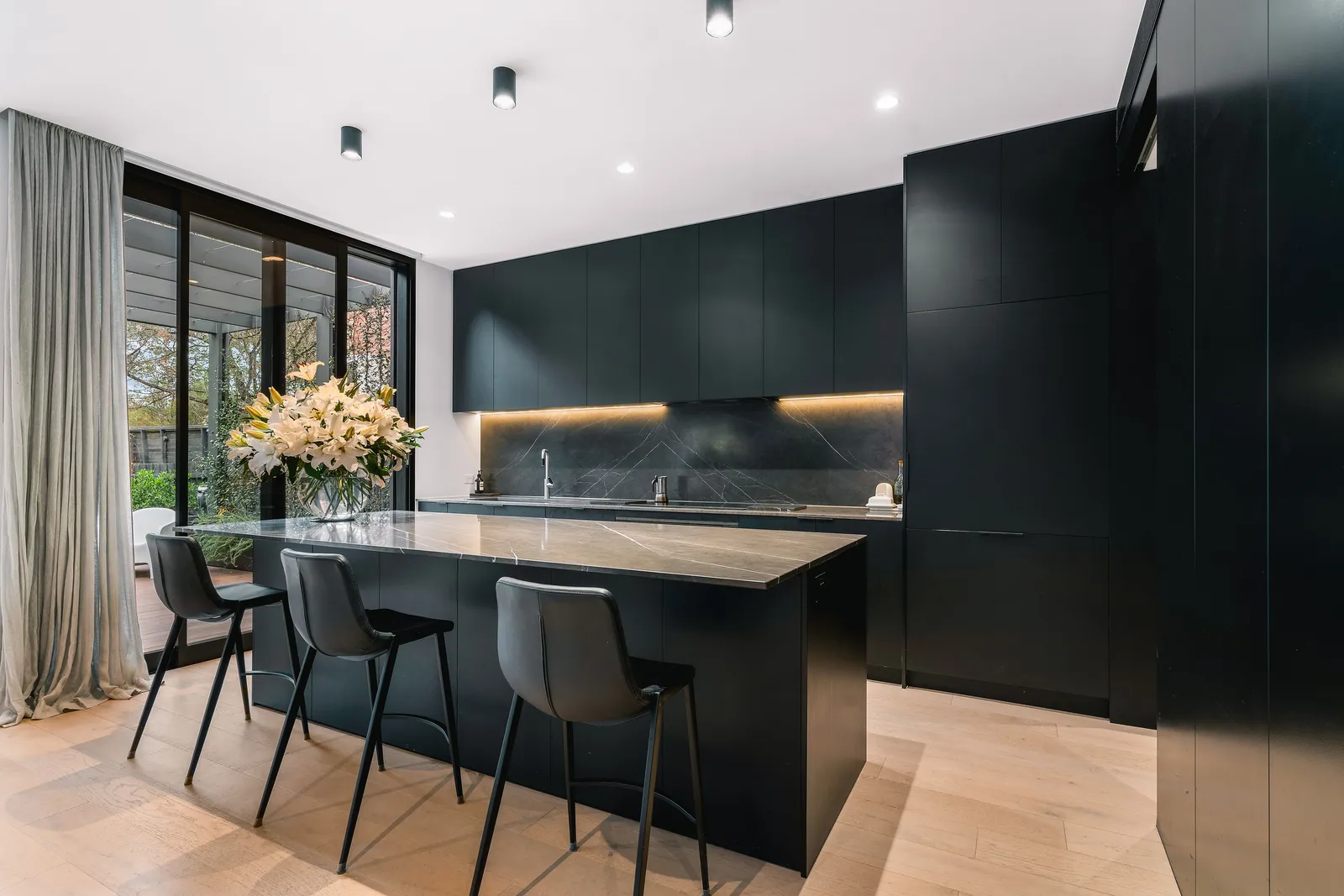

3. Construction delivery
The project manager, site manager and contract administrator are introduced before site work begins. Mobilisation confirms current documents, safety controls, access, procurement priorities, reporting rhythm and the first look-ahead activities. The master program is maintained in Instagantt. Trades work from current information and receive preparation for the activities approaching them. Critical interfaces are coordinated before fabrication or concealment through set-out, shop drawings, samples, mock-ups and project-specific inspection points. The site manager owns daily execution and trade coordination. The project manager maintains the broader client, consultant, program and commercial position. Operations and Tim remain involved at the decisions that require their oversight.
4. Communication and commercial control
Weekly written updates include progress photographs, completed work, upcoming activities and decisions required. Meetings are aligned with milestones and matters that benefit from live discussion. RFIs are recorded in Asana with an owner, response date and close-out. Relevant program and procurement information is presented so the client and architect can see how a decision affects the work ahead. Progress claims follow the contract. Proposed variations identify the scope, cost and program consequence before approval where practicable. Site visits are coordinated through the project team for safety and usefulness. If an issue needs escalation, responsibility moves through the site manager, project manager, operations and Tim according to its nature.

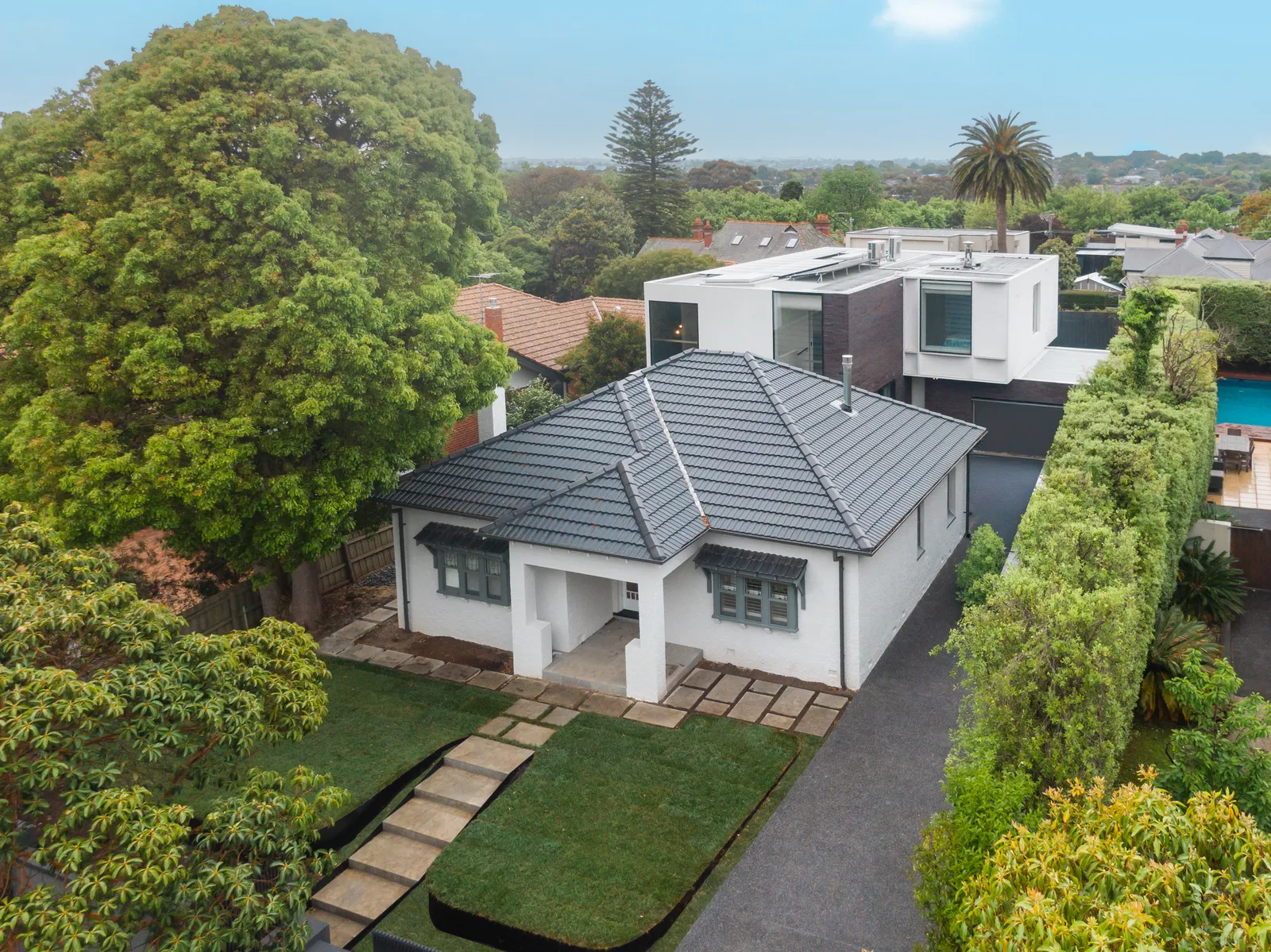
5. Handover
Handover is planned through construction. Manuals, warranties, certificates, supplier information and relevant project records are gathered as packages are completed. Defects and incomplete work are reviewed before practical completion, then assigned and rechecked. Installed services and systems are commissioned where applicable, and the client receives practical familiarisation with the home. The digital handover record reflects the information produced for the actual project. A 30-day review provides an early occupation checkpoint. A minimum 12-month defects period applies to every TCON project, subject to the executed contract and applicable rights. Handover therefore closes construction while establishing the information and contacts required for the next phase.
6. TCON Build Care
TCON Build Care begins at handover. The client retains a named contact for defects, operating questions, maintenance guidance, trade referrals and discussion of future work. The project record supports that contact with manuals, warranties, certificates, product and supplier information, and other documents generated for the home. Build Care is not a routine maintenance contract and does not replace contractual defects obligations or statutory warranties. It provides continuity with the people who understand the project. A client considering TCON can begin with a site address, brief, architect's concept or developed documentation. Tim will discuss project fit, timing and the most useful point of entry into this process.